Pigmentation, sun damage and uneven skin tone can often appear more noticeable after the warmer months. Winter may be a suitable time to consider selected full-face laser treatments, with less incidental sun exposure and more time to support your skin through treatment.

$250 off selected full-face laser treatments*
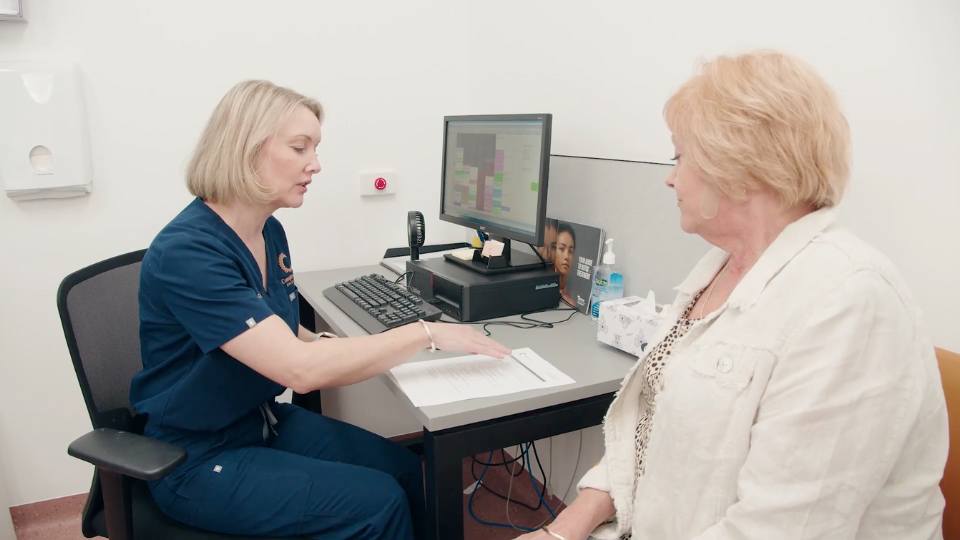
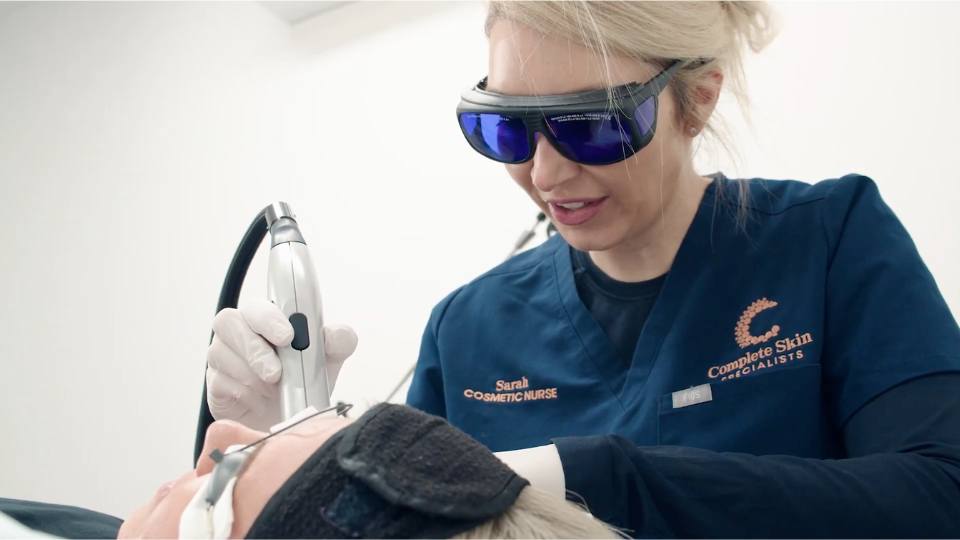
If you have been thinking about, or have been recommended one of these treatments, talk to our team to learn more about the next steps .
While laser treatments can be performed year-round with strict sun protection, we often favour the cooler months for more intensive treatments, particularly those targeting sun damage and pigmentation. UV exposure is the primary trigger for many forms of pigmentation. With lower UV levels, winter provides an ideal window to treat pigmentation more effectively, while supporting the healing process and results.
Pigmentation is a broad term that covers a range of distinct conditions – each with different causes, behaviours, and appropriate treatments. Identifying which type is present (and whether it’s cosmetically bothersome or clinically significant) is the first step in any treatment plan.
Small, flat spots that appear in response to sun exposure, particularly in fair-skinned individuals. They tend to fade in winter and darken with UV exposure.
Flat, well-defined brown spots that develop on areas of repeated sun exposure. Unlike freckles, these do not fade in winter. They are one of the most common presentations of cumulative UV damage.
Waxy, raised lesions that can appear pigmented and are sometimes mistaken for other conditions. They are benign but require correct identification before any treatment is considered.
Darkening of the skin, following inflammation, trauma, or an earlier skin treatment. It can be exacerbated by UV exposure, making protection and timing critical.
Long-term results require a structured approach. At Complete Skin Specialists, we don’t just treat – we assess, plan, and support your skin at every stage.
A thorough skin assessment, including a skin check for any clinically concerning spots, to identify the type(s) of pigmentation present and determine suitability for treatment.
We develop a personalised treatment plan based on your pigmentation type, skin tone, lifestyle, and treatment goals.
Targeted laser or light-based treatment, matched to your skin type and needs. Full-face options include FRAX 1550/1940, Light & Bright, and CoolPeel, with $250 off this Winter.
Appropriate skincare and daily broad-spectrum SPF 50+ are an essential part of maintaining results and are designed to help reduce the risk of recurrence.
To access the winter promotion*, your eligible treatment must be booked and completed between 1 June and 31 July 2026. A consultation is required prior to treatment, whether you are new or existing, there are options available to make the journey as smooth as possible. Speak to our team to understand what option is most suitable for you.