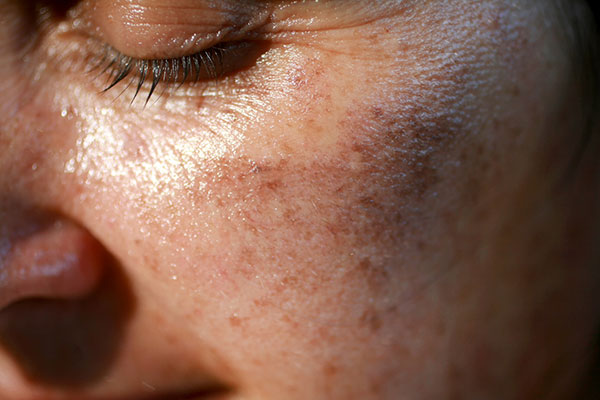

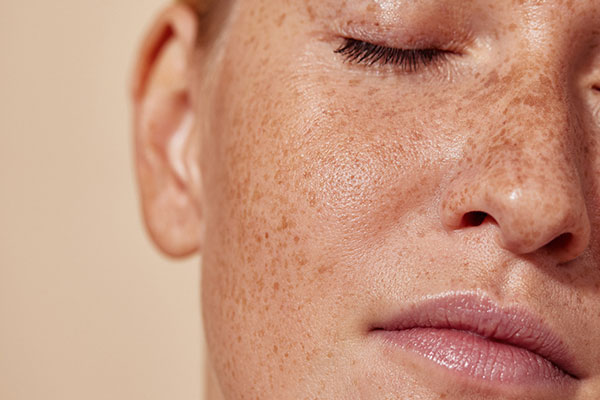
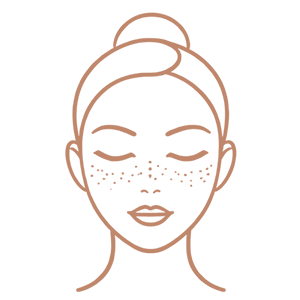
Tackle freckles, sun damage, melasma and other pigmentation concerns with Q-switch laser. It uses short bursts of light energy to shatter pigment particles without harming surrounding tissue.
A consultation is required before treatment so we can assess your pigmentation, discuss your options and determine whether Q-switched laser is appropriate for you.

Small, concentrated areas of pigment that often become more noticeable with sun exposure
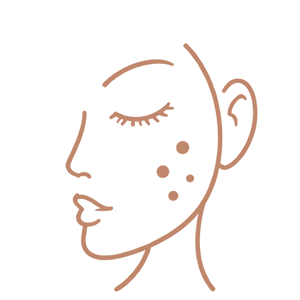
Persistent sun spots that commonly develop over time
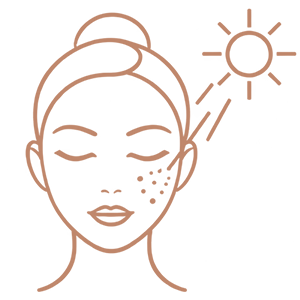
Areas of brown pigmentation caused by cumulative UV exposure
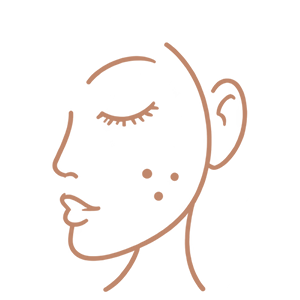
Dark marks that remain after acne, inflammation or skin injury.
Requires dermatologist assessment prior.
Your treatment plan will depend on what is causing the pigment, not simply what it looks like on the surface.
Ready to take a closer look at your pigmentation?

Treatment is tailored to your pigmentation
We select the appropriate laser wavelength and treatment settings based on your type, depth and distribution of the pigment being treated.

Light energy targets the pigment
The Q-switched laser delivers very short bursts of light energy into the selected areas of pigment.

The pigment breaks into smaller particles
The rapid energy breaks the pigment into smaller particles while limiting the effect on surrounding tissue.

Your body gradually clears the pigment
Your body gradually clears the fragmented pigment. Treated areas may temporarily become darker before the pigment gradually fades or flakes as the skin recovers.
The goal is to reduce the appearance of unwanted pigmentation. Complete clearance cannot be guaranteed, and pigmentation may return, particularly with further sun exposure.

Complete Skin Specialists review
We review your skin between treatments so we can assess how it is responding and advise you on the next steps.
Depending on the area and treatment settings, you may experience:
Q-Switch laser generally involves a period of visible skin response while the treated pigment settles. Your practitioner will let you know what to expect before treatment and provide aftercare instructions for your skin.
We will usually advise:
You may come directly to our Cosmetic and Laser practice or you may have been referred by one of the doctors in our specialist dermatology practice.
During your consultation, our dermal therapists can assess your skin, discuss your concerns and consider whether Q-switched laser is appropriate for your pigmentation.
Because our Cosmetic & Laser practice works alongside our specialist dermatology team, we can also involve a consultant dermatologist where your pigmentation needs further medical assessment. For some people, laser treatment may form only one part of a broader treatment plan.
It is not suitable for every pigmentation concern, results vary and multiple sessions may be required. Temporary redness, swelling, crusting and changes in pigmentation can also occur.
You may feel brief stinging or snapping sensations as the laser fires. Sensation varies between people and may also depend on the treatment area and settings.
The aim is to target areas of excess pigment – not to change your natural skin colour.
Q-Switch laser treatment for pigmentation is different from the laser treatments typically used for hair reduction. Please visit this page to learn about laser hair reduction.
Freckles, sun spots, melasma and post-inflammatory pigmentation may look similar, but they do not necessarily need the same treatment.
Start with a consultation at Complete Skin Specialists. We’ll assess your pigmentation, explain your options and determine whether Q-switch laser belongs in your treatment plan.