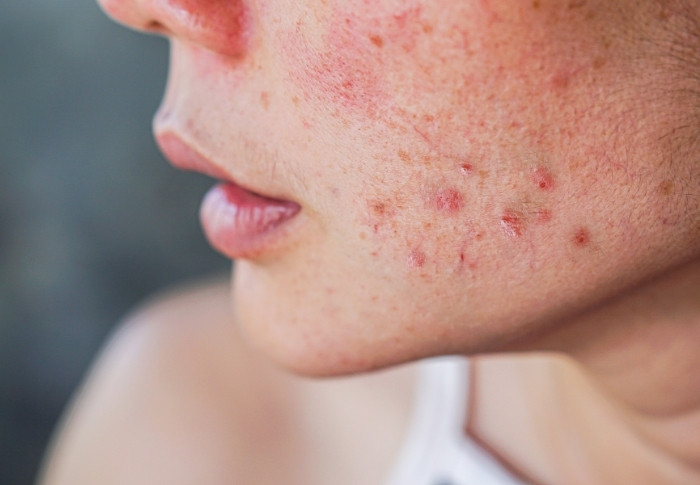
Target facial redness, broken capillaries and red scarring with Vbeam Perfecta®.
This vascular laser treatment uses pulsed dye laser (PDL) technology is designed to improve skin clarity with minimal downtime.
Vbeam delivers pulses of yellow light that are selectively absorbed by haemoglobin within superficial blood vessels. This light energy causes the targeted vessels to coagulate and be reabsorbed by the body, gradually reducing the appearance of redness and capillaries.
The Vbeam vascular laser therapy system includes a dynamic cooling device™, which sprays a brief burst of cooling mist onto the skin before each laser pulse. This is designed to cool the surface of the skin during the procedure.
A typical session lasts around 30 minutes. You may experience a warm, tingling or snapping sensation during treatment, but most patients tolerate this well, especially with the cooling system in use.
Vbeam is generally suitable for fair to medium skin tones. Some darker skin types may carry a higher risk of pigmentation changes, so we’ll assess your skin tone carefully before recommending treatment.
Vbeam treatment is not suitable if you:
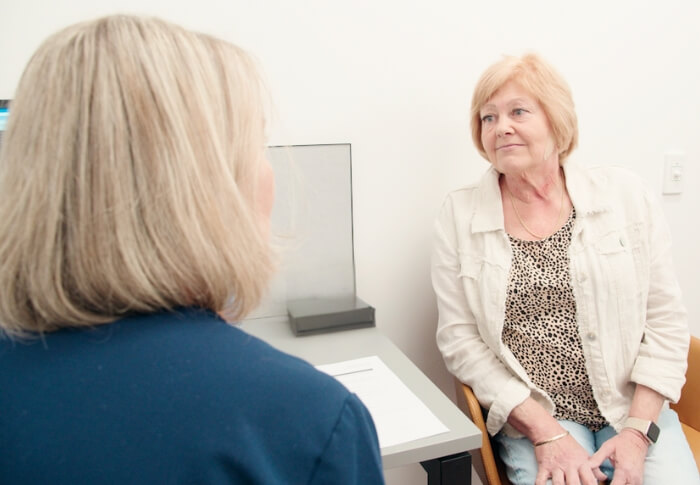
At CSS, our team includes cosmetic nurses, dermal therapists, and dermatologists experienced in vascular laser therapy. Your treatment plan is tailored to your skin type, condition, and aesthetic goals.
All Vbeam treatments begin with a consultation to assess your skin and determine if vascular laser therapy is appropriate for you.
Vbeam is a pulsed dye laser (PDL) used in vascular laser treatment. It sends controlled pulses of light into the skin, where the energy is absorbed by visible blood vessels in the skin, designed to gradually reduce their appearance.
IPL (intense pulsed light) is a broad-spectrum light source, while Vbeam is a single-wavelength laser specifically targeting vascular structures.
Vbeam is often preferred for treating rosacea, facial redness, and broken capillaries.
Costs vary depending on the area treated. We will provide a detailed quote after your initial consultation.
The treatment feels like a quick snap, like that received from a rubber band. There’s also a sensation of warmth, eased by the built-in cooling system.
Temporary side effects may include redness, swelling, or mild bruising. Rarer risks are discussed during your consultation to help you make an informed decision about your treatment.
Mild redness or capillaries may improve after 1–2 sessions, while more persistent conditions like rosacea or red scarring may require 3–5 sessions for optimal results.
Many patients may notice improvement after their first session, with optimal results becoming visible after a series of treatments. Results may develop gradually over weeks as the body clears the treated vessels.