

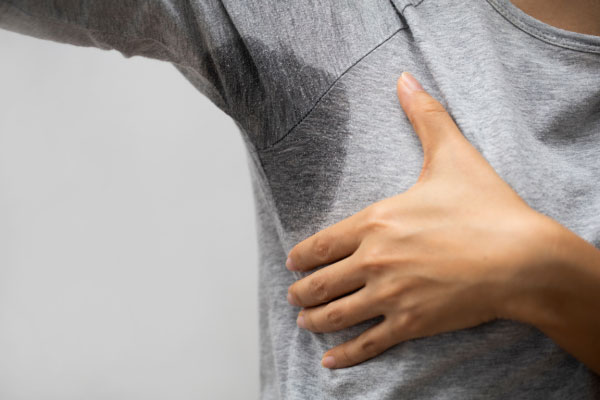


Axillary hyperhidrosis refers to excessive sweating in the underarms. Medical treatment of hyperhidrosis can help to manage your symptoms and improve your quality of life.
Axillary hyperhidrosis is characterised by excessive sweating in both armpits (axilla).
Sweating is a natural process to regulate body temperature, especially during exercise or hot weather.
But people with axillary hyperhidrosis may sweat heavily regardless of environmental temperature or physical exertion. It goes beyond what is physiologically necessary to regulate body temperature and can be embarrassing and inconvenient, especially if frequent clothing changes are required.
The exact cause of primary hyperhidrosis is not fully understood, but it’s believed to result from overactivity in the sweat glands, triggered by a hyperactive sympathetic nervous system.
It typically begins in adolescence or early adulthood.
There are two main types of hyperhidrosis:
When excessive sweating occurs during sleep or is associated with other symptoms like weight loss or fatigue, further medical investigation is advised.
Hyperhidrosis is more common than many realise. Studies suggest that approximately 3% of people experience some form of excessive sweating, with axillary hyperhidrosis being one of the most common types.
Symptoms of axillary hyperhidrosis include:
Treatment for axillary hyperhidrosis depends on the severity of symptoms and individual preferences.
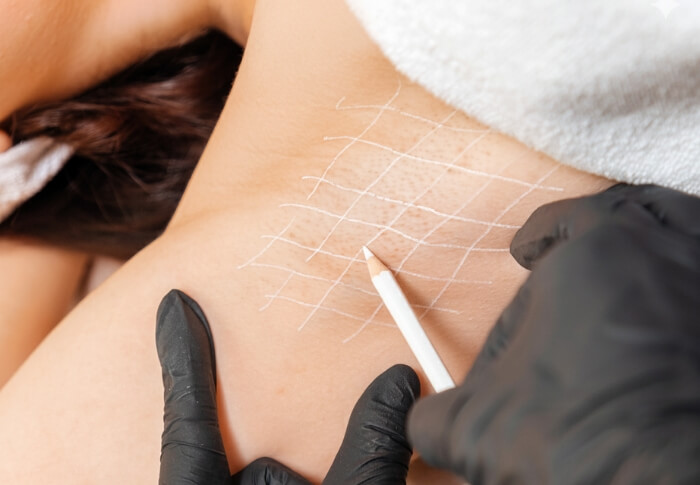
Your treatment plan may include:
All treatment options are discussed in detail during your consultation. Your Dermatologist will help you choose the most appropriate option for your condition.
If you’re a new patient, you’ll be invited to attend an initial consult prior to your service to ensure it’s right for you.
See your GP for a referral so we can make an appointment

Meet with your Dermatologists for a thorough assessment of your concerns.

You may be seeking help to:

You have the option of receiving treatment on the same day as your consultation. Reception may confirm this when your consultation is made.