Skin is your largest and most visible organ. It may affect your health, wellbeing and deserves proper care from a complete professional.
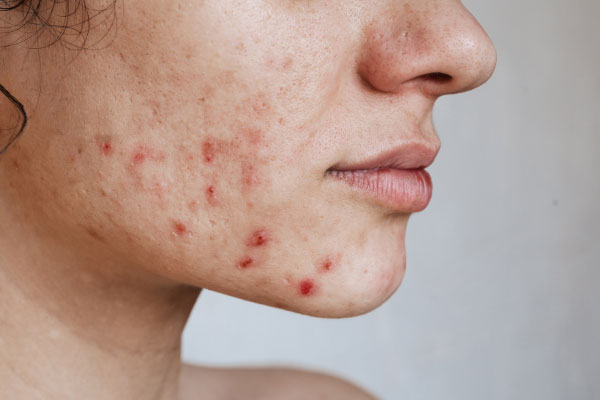
Acne can affect individuals of all ages and skin types, and its causes and severity can vary widely. At Complete Skin Specialists, our dermatology team brings extensive experience in supporting patients with the medical assessment and management of acne.
Because there are multiple types and causes of acne, treatment plans are tailored to suit each individual’s needs. Management may include a combination of prescription medications and non-invasive therapies such as extractions, chemical peels, or light-based treatments.
There are many misconceptions about what causes acne. A consultation can help clarify the contributing factors and explore options suited to your skin.
Although acne is most common in teenage years, it can affect people of all ages and skin types. The problem starts with a blockage in the hair follicle (pore) which then, with its associated oil (sebaceous) gland becomes infected and inflamed. Whiteheads, blackheads, pustules and cysts are all forms of acne and they are most commonly seen on the face and trunk where the oil gland is most active.
There are many contributing factors in the formation of acne but the exact reasons why certain people are affected their degree of severity are poorly understood.
Genetic predisposition is one of the strongest factors and is likely to determine the age of onset and severity. Acne commonly runs in families but the hereditary nature of it is not fully understood.
Hormonal changes tend to trigger the onset of acne and this can be from as young as 8 years old in certain individuals. Androgens increase in both boys and girls during puberty and these hormones result in increased oil production and cell turnover within the pores, increasing the change of them blocking up. Women may experience long-standing hora on all acne which flares in a cyclical nature with the menstrual periods.
Exogenous (external) hormones such as corticosteroid medications or anabolic steroids can also cause acne.
Once a pore is blocked then it becomes prone to both infection and inflammation. This is what causes a red, inflamed or pus-filled lump known as a pimple. Bacteria known as Propionibacterium acne is typically found in acne lesions but other factors may also be involved in the inflammation around the follicle. Stress and certain dietary factors are commonly described as exacerbating factors in acne and it is likely that this is as a result of other hormonal cascades in the body.
Further studies are required to establish the nature of the link between diet and acne but some evidence suggests that high glycemic index (high sugar) diets cause worsening of acne.
Acne can present in several forms and may progress through different stages. These include:
Comedones (blackheads and whiteheads): These are caused by blockages within hair follicles (pores). Blackheads appear dark due to oxidised material at the skin’s surface, while whiteheads may appear white, yellow, or skin-coloured. These lesions usually have little or no surrounding redness and are considered non-inflammatory.
Papules and pustules: These are red, inflamed bumps that may or may not have a visible white or yellow centre. They indicate inflammation and possible bacterial involvement in the blocked pore.
Cysts and nodules: These are deeper, larger lumps under the skin that may feel tender or painful. They are often associated with more extensive inflammation and, in some cases, may contribute to the development of scarring.
Acne can range from mild to severe, and the type of lesion can help inform assessment and management options during a clinical consultation.
While healthy lifestyle choices can support skin health, acne is often influenced by genetic and hormonal factors, and may require medical or cosmetic management depending on the severity and type.
Some individuals may notice an improvement by adjusting dietary habits – such as reducing high glycaemic index foods or excessive dairy—or managing stress levels. However, these approaches are not guaranteed to work for everyone.
Avoiding heavy or comedogenic (pore-blocking) makeup, harsh cleansers, or excessive exfoliation may help reduce irritation and inflammation in acne-prone skin. Over-cleansing or using abrasive products can sometimes worsen oil production and clog pores.
Skin care plays a supporting role in acne management. Some ingredients such as niacinamide, alpha and beta hydroxy acids, or topical retinoids – may assist in calming inflammation or supporting exfoliation. Individual responses vary, and professional assessment is recommended to determine what’s appropriate for your skin.
Acne management should be tailored to each individual, depending on skin type, severity, lifestyle factors, and treatment goals. A dermatologist or qualified skin care professional can assess your skin and help identify the most suitable approach.
Treatment options may include:
All treatments carry potential risks and benefits. A consultation is required to determine which options may be appropriate for your skin and medical history.
Depending on where you’re at in your journey, you can book an appointment with our dermatology practice, or cosmetic practice.
Not sure where to start? Call our team on: (03) 9740 2409
If you suffer with persistent or severe acne, we are here to help. A consultation with a dermatologist will allow you to explore your options and discuss an effective treatment pathway. A referral is required to make an appointment.
39 Station Street, Sunbury VIC 3429
Building 1: 115 O’Shanassy Street, Sunbury VIC 3429
If you’re a new patient, you’ll be invited to attend an initial consult prior to your service to ensure it’s right for you.

See your GP to obtain a referral

Initial consult to discuss
skin concerns and goals

Receive a treatment plan to support your skin health